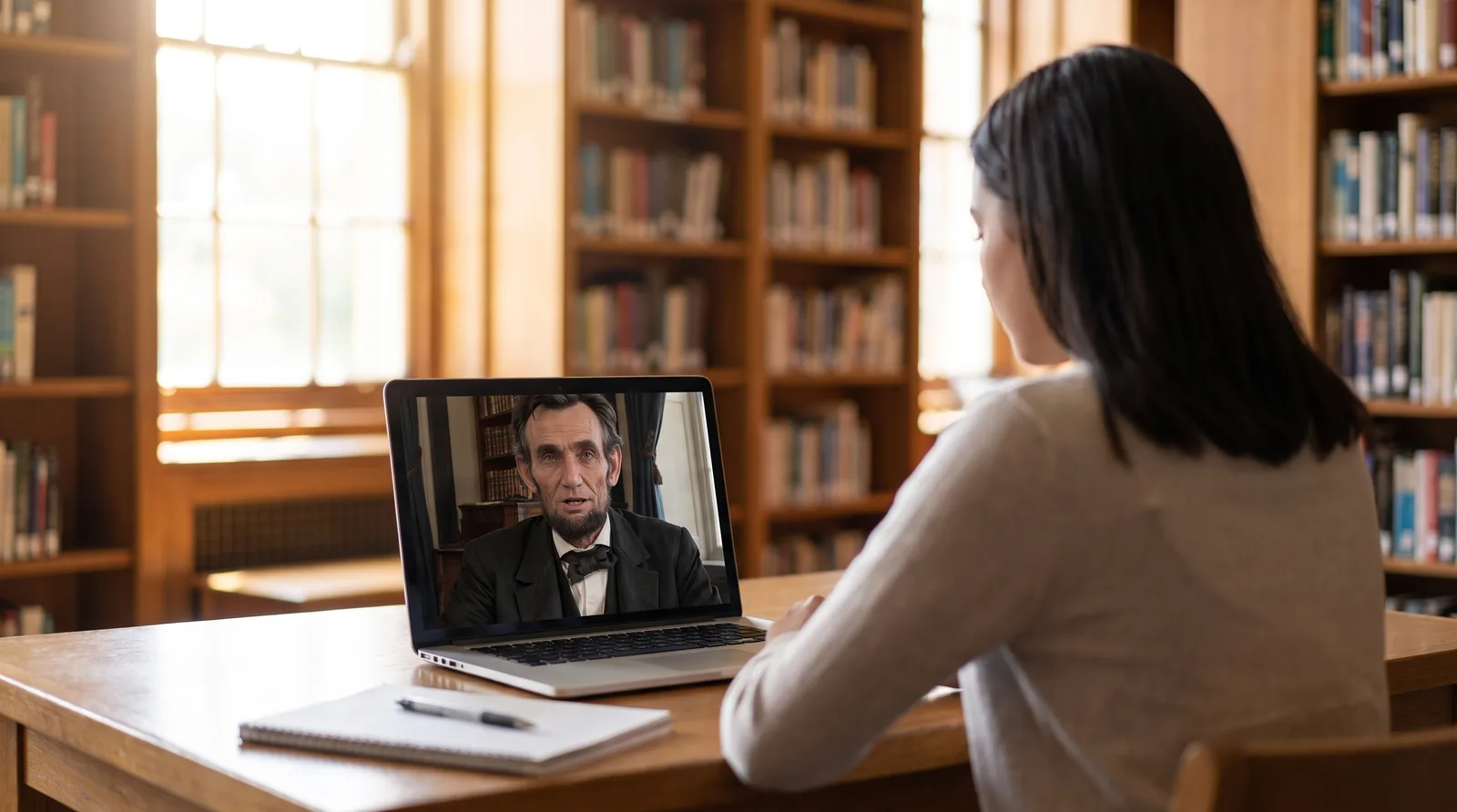
Healthcare
Patients who answer like patients.
Give students and clinicians unlimited practice with hyper-realistic patient simulations, customized to fit any scenario.
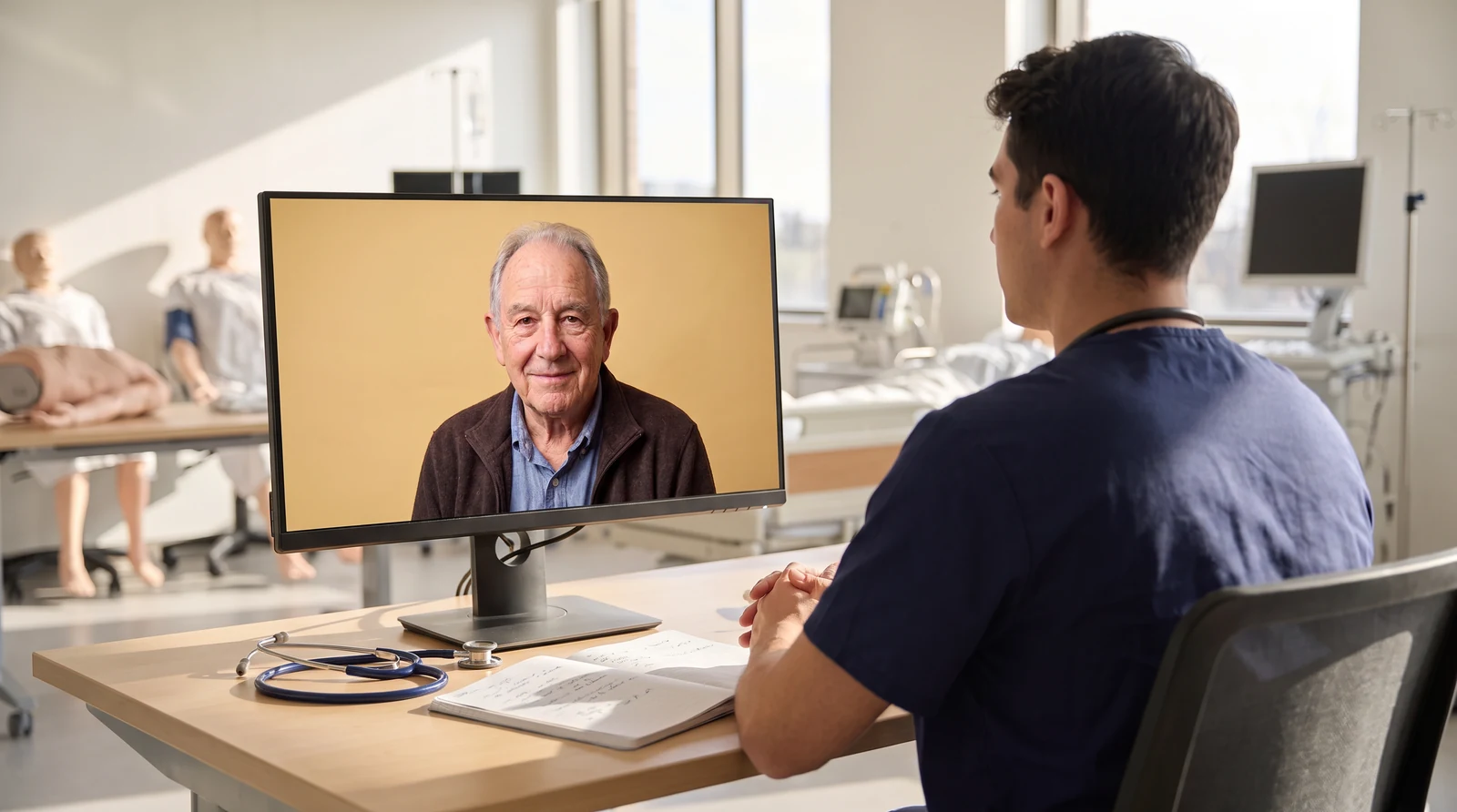
Walter (Dementia Patient Simulation)I don't know why I'm here. I need to get home to Martha.
 WalterPatient simulation
Why a face
Built for healthcare.
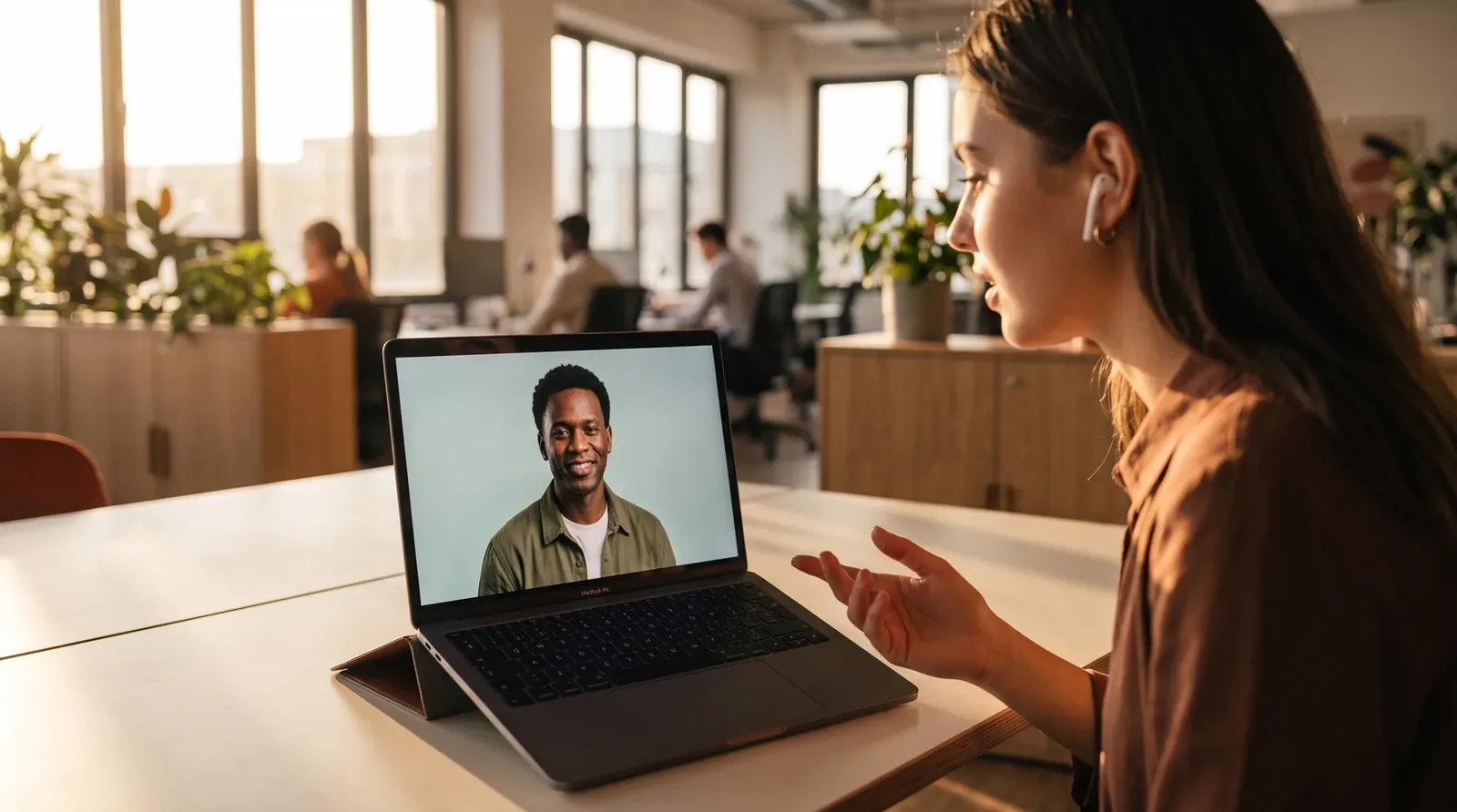
Clinical skills are learned by talking to patients, and there are never enough standardized patients to go around. A digital human plays the patient, with a history, symptoms and a personality you define, so every student can take a history, break bad news or calm a confused patient as many times as they need.
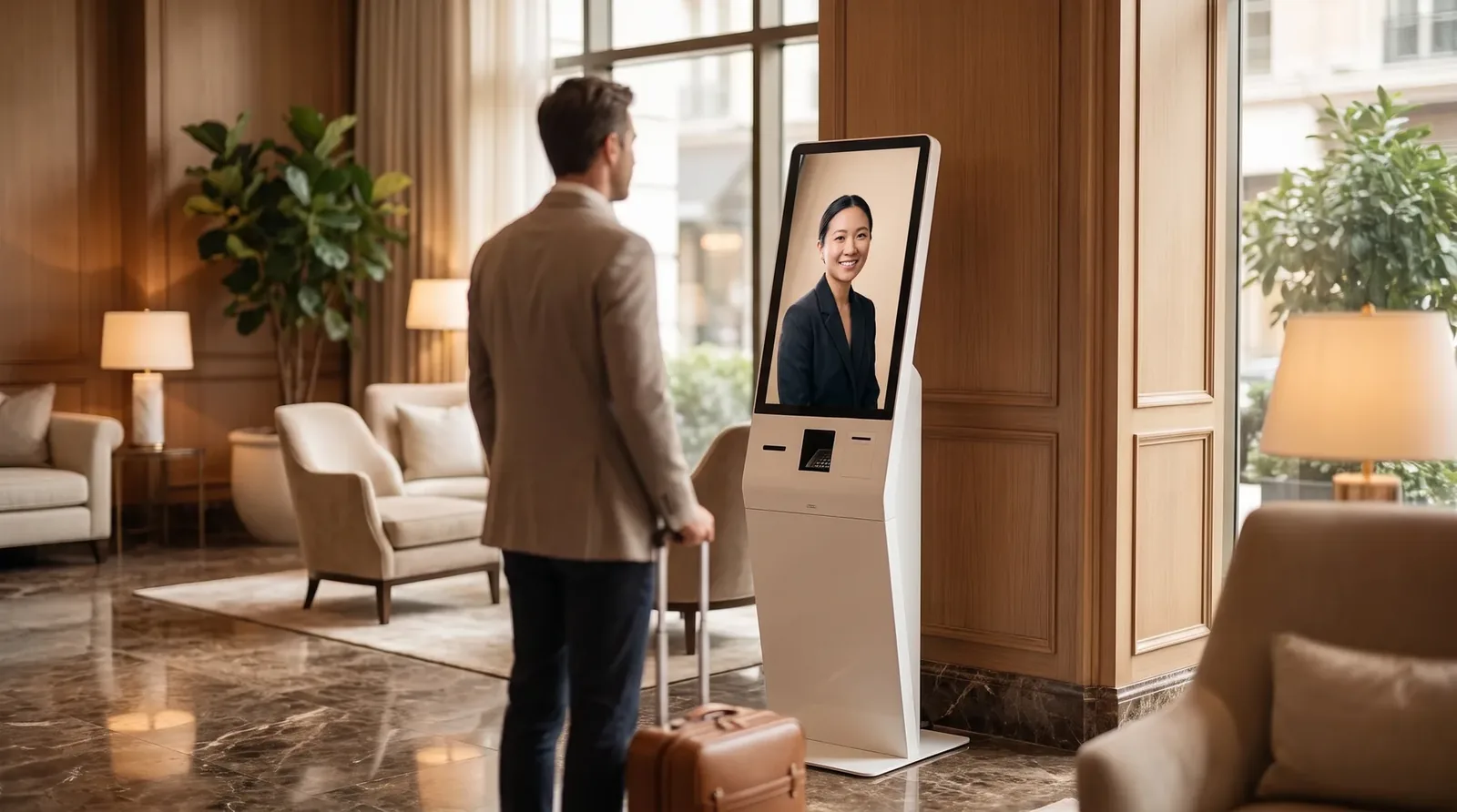
The same face can work the front of the house: asking intake questions before a visit, answering routine questions after hours and pointing anything urgent to your staff, in the patient’s own language.
What it handles
Digital humans specialized for healthcare.
Standardized patient simulations
Students and clinicians take histories from patients who answer like real ones.
Intake and pre-visit questions
Collect symptoms and history before the visit, in plain language.
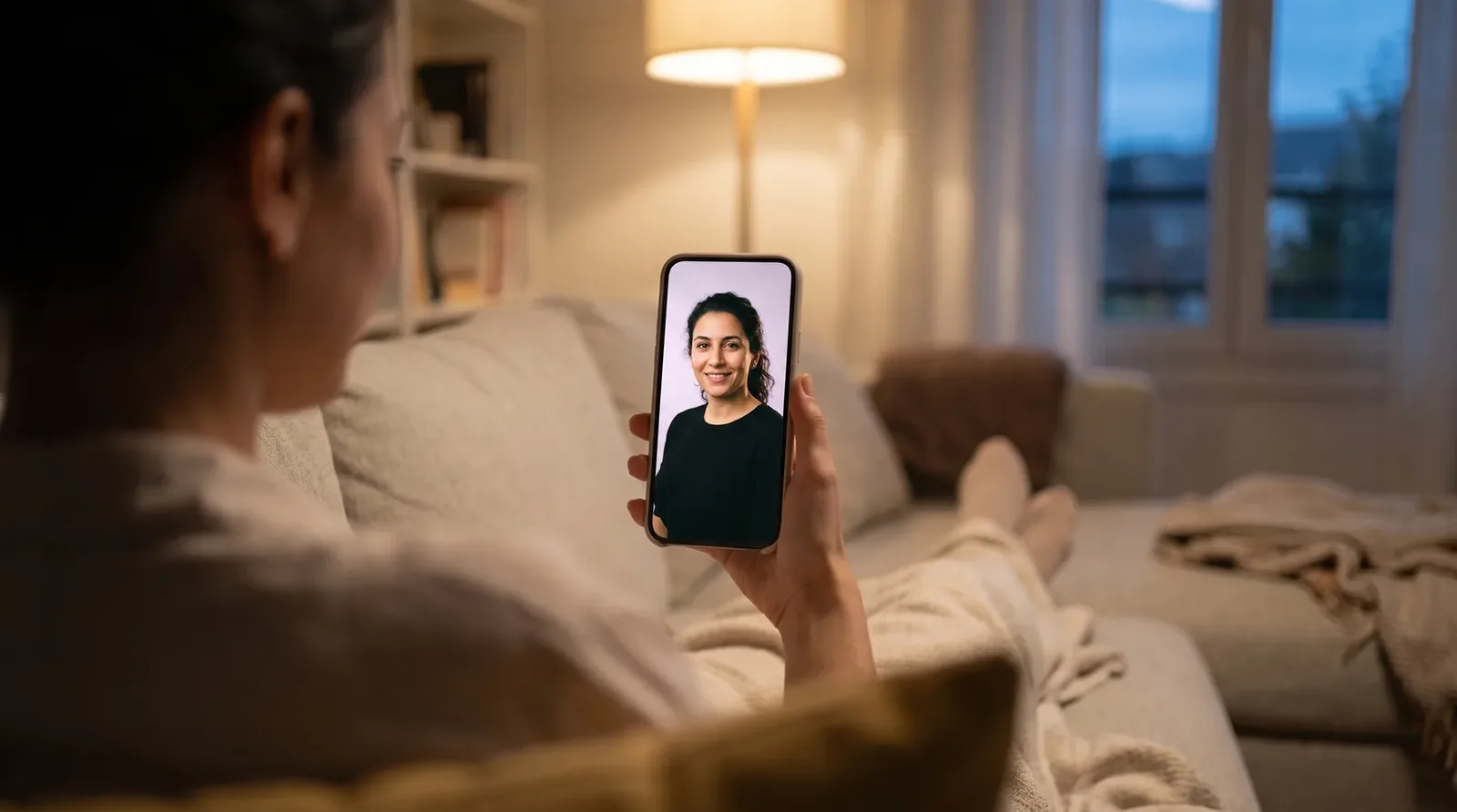
After-hours nurse line
A warm, steady voice on symptom calls overnight, routing the urgent ones.
Difficult conversations
Rehearse delivering hard news, again and again, before it is real.
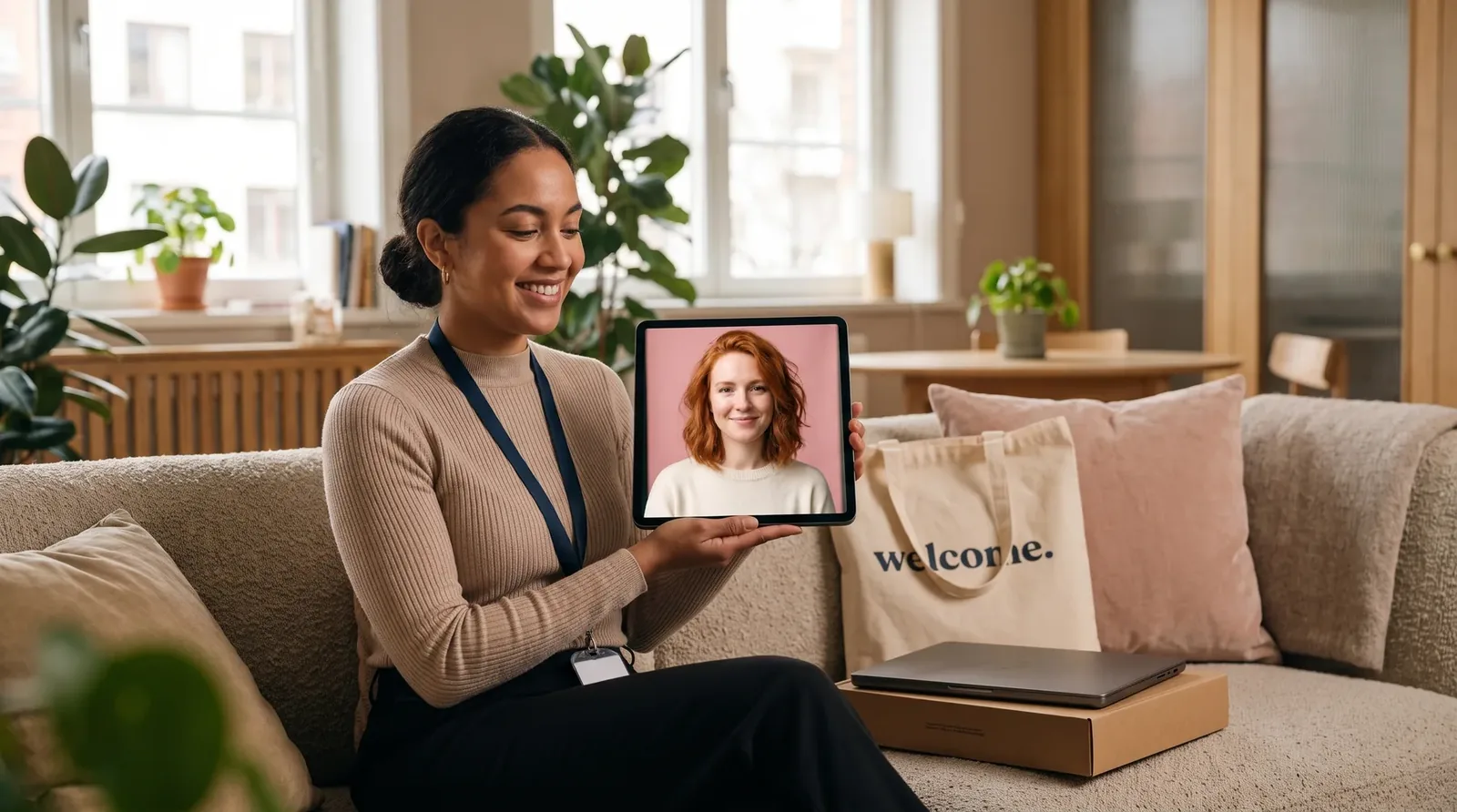
Clinical onboarding
New staff learn policies and procedures simply by asking.
In the patient's language
Greets patients in the language they speak.
How it works
Three steps to launch.
Write the case
Describe the patient: age, history, symptoms, mood, and what they will and will not volunteer.
Add the material
Upload case notes, protocols or patient education sheets for it to answer from.
Run and review
Students call from any browser. Each session is saved with a transcript and a summary.
Questions
Healthcare, answered.
What is a standardized patient simulation with a digital human?
A digital human plays a patient with a set history, symptoms and personality. Students interview it over a video call and it answers in character, so they can practice as often as they need without scheduling an actor.
Can we build our own patient cases?
Yes. You describe the patient in plain language and add any case notes as knowledge. Walter, who has dementia and keeps asking for his wife, is one example you can call now.
Can instructors review what students asked?
Yes. Every conversation is saved in your inbox with a transcript and a summary, so faculty can see what was covered and what was missed.
Can it talk with patients in other languages?
Yes. A Lookalike can hold conversations in 10 languages, including Spanish, French, German.
Does it replace clinicians?
No. It handles practice, intake questions and routine information. You decide in its instructions what it must hand to a person, and it tells patients how to reach your team.
New to this? Read what a digital human is, browse the glossary, or see the video chatbot for dental practices.
See Walter in action.
Start a conversation now, or plan a pilot with our team.
More solutions